Build your own AI agents.
No theory. Just working code.
Every guide is a complete walkthrough — screenshots for every click, copy-paste code for every step, a ship-it checklist at the end. Open one. Build the agent. Repeat.
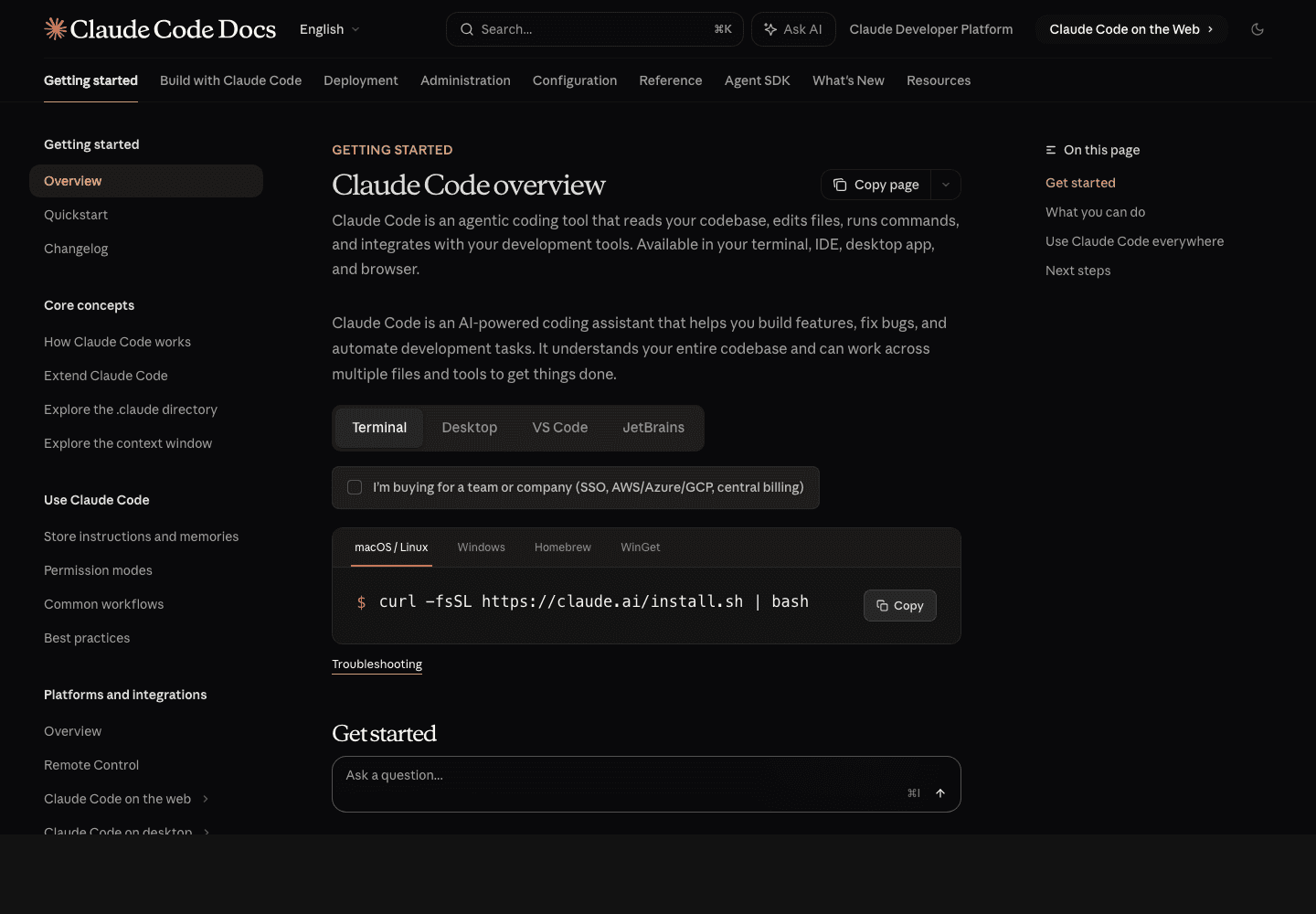
Claude Code, end to end: zero to power-user.
Install it. Configure it. Use the right plugins, the right skills, the right keyboard shortcuts, and the workflow patterns that turn it into your full-time engineer.
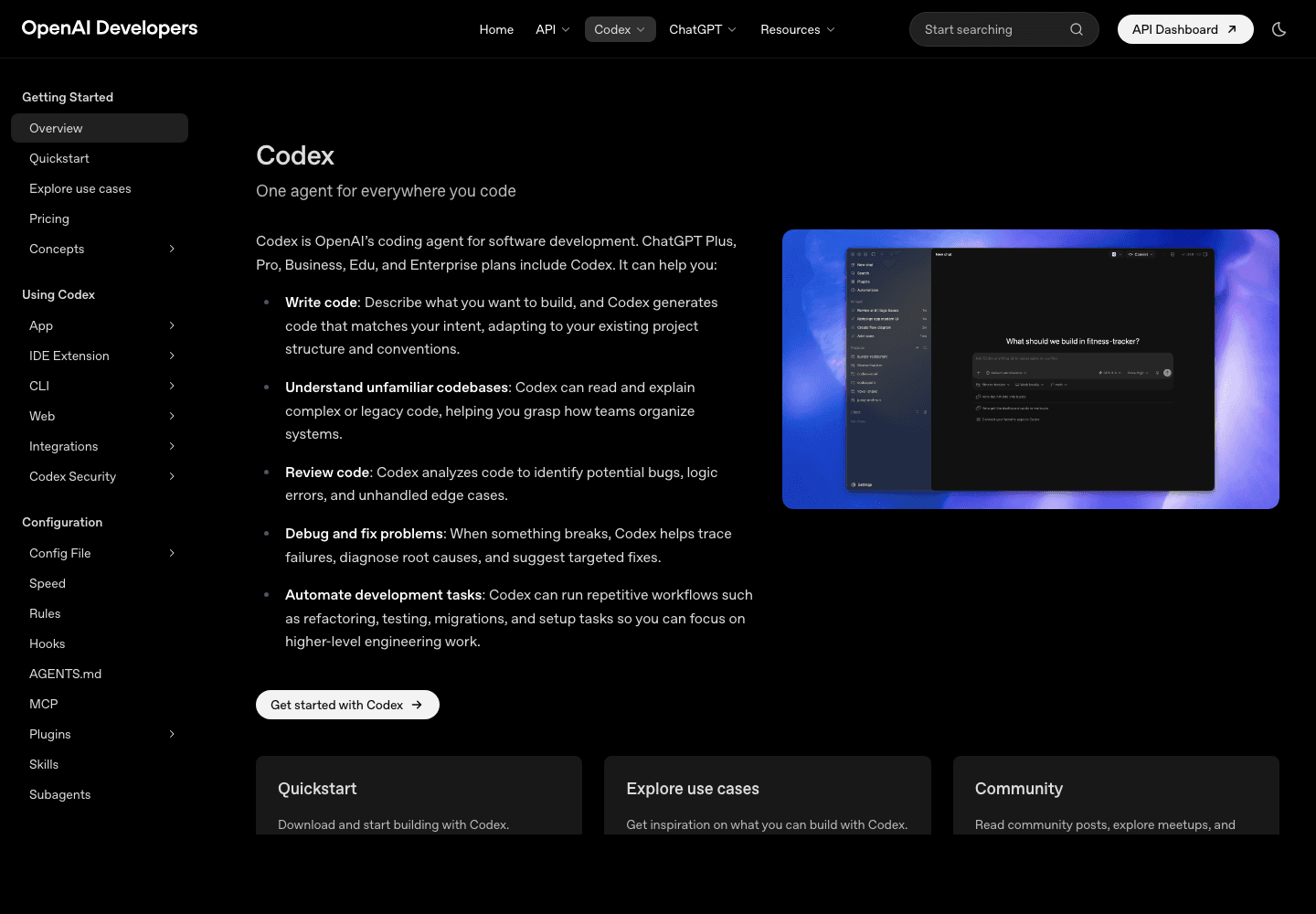

OpenAI Codex CLI: from zero to autonomous PR machine.
Install Codex. Configure it. Set up GPT-5 access. Wire up the right MCP servers and slash commands. Use the read → plan → ship loop that keeps it on rails.
Claude Code
Claude Code, end to end: zero to power-user.
Install it. Configure it. Use the right plugins, the right skills, the right keyboard shortcuts, and the workflow patterns that turn it into your full-time engineer.
Claude Computer Use: an agent that drives your Mac.
Anthropic's Computer Use API lets Claude take screenshots, click, type, scroll — like a human operator. Wire it up, sandbox it, and ship the highest-leverage agent on your stack.
OpenCode: the open-source Claude Code alternative.
OpenCode is a fully open-source agentic coding terminal — same workflow as Claude Code, runs against any model (Claude, GPT-5, local Llama, Hermes). Bring your own provider, no vendor lock-in.
Codex CLI
OpenAI Codex CLI: from zero to autonomous PR machine.
Install Codex. Configure it. Set up GPT-5 access. Wire up the right MCP servers and slash commands. Use the read → plan → ship loop that keeps it on rails.
OpenAI Computer Use Agent: GPT-5 driving a browser.
OpenAI's Operator + the computer-use-preview model in the API. Same idea as Anthropic's Computer Use but inside the OpenAI ecosystem with built-in browser sandboxing.
OpenCode: the open-source Claude Code alternative.
OpenCode is a fully open-source agentic coding terminal — same workflow as Claude Code, runs against any model (Claude, GPT-5, local Llama, Hermes). Bring your own provider, no vendor lock-in.
OpenAI
OpenAI Codex CLI: from zero to autonomous PR machine.
Install Codex. Configure it. Set up GPT-5 access. Wire up the right MCP servers and slash commands. Use the read → plan → ship loop that keeps it on rails.
OpenAI Computer Use Agent: GPT-5 driving a browser.
OpenAI's Operator + the computer-use-preview model in the API. Same idea as Anthropic's Computer Use but inside the OpenAI ecosystem with built-in browser sandboxing.
OpenCode: the open-source Claude Code alternative.
OpenCode is a fully open-source agentic coding terminal — same workflow as Claude Code, runs against any model (Claude, GPT-5, local Llama, Hermes). Bring your own provider, no vendor lock-in.
Hermes 4: the open-source agent brain.
NousResearch's Hermes models are tuned specifically for tool use and agent loops. Run them locally or via API. Free from rate limits, free from per-token billing once you own the GPU time.
Anthropic
Claude Code, end to end: zero to power-user.
Install it. Configure it. Use the right plugins, the right skills, the right keyboard shortcuts, and the workflow patterns that turn it into your full-time engineer.
Claude Computer Use: an agent that drives your Mac.
Anthropic's Computer Use API lets Claude take screenshots, click, type, scroll — like a human operator. Wire it up, sandbox it, and ship the highest-leverage agent on your stack.
OpenCode: the open-source Claude Code alternative.
OpenCode is a fully open-source agentic coding terminal — same workflow as Claude Code, runs against any model (Claude, GPT-5, local Llama, Hermes). Bring your own provider, no vendor lock-in.
Hermes 4: the open-source agent brain.
NousResearch's Hermes models are tuned specifically for tool use and agent loops. Run them locally or via API. Free from rate limits, free from per-token billing once you own the GPU time.
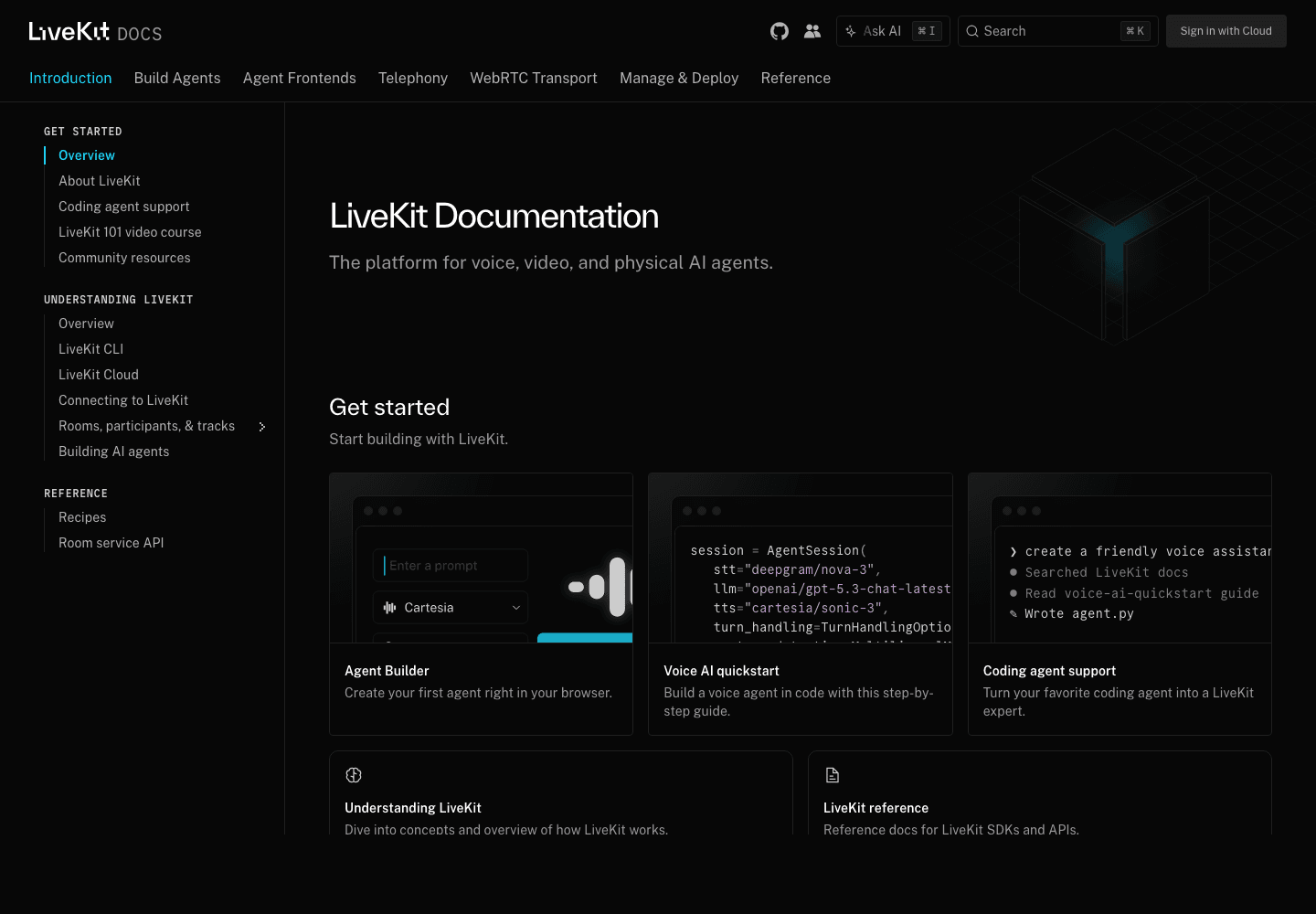
LiveKit: voice agents that answer in 300ms.
Real-time voice over WebRTC. Stitched to Deepgram (STT) + Claude (brain) + ElevenLabs (TTS). Sub-second latency. Same stack the AI receptionists use.